
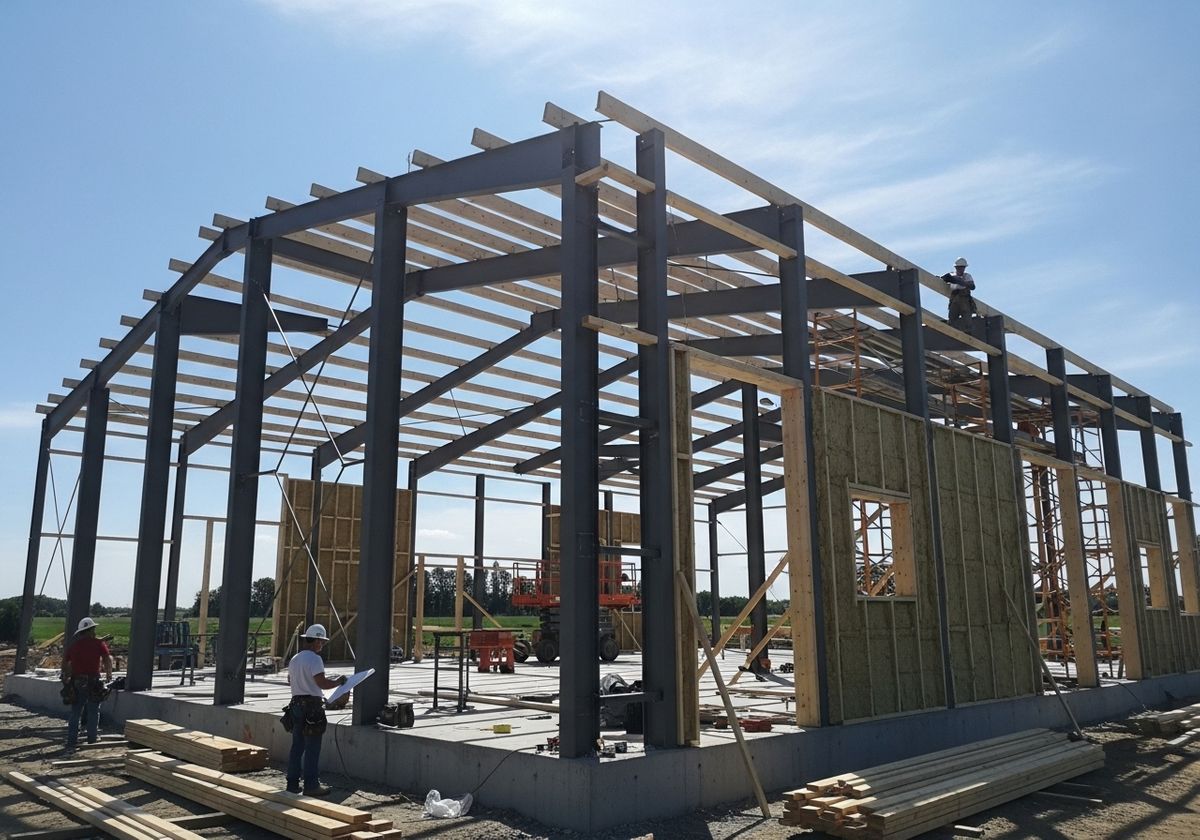
Choosing the right materials for your agricultural buildings is a critical decision that impacts the structure's longevity, functionality, and cost-effectiveness. With the right selection, you'll ensure a safe, productive, and sustainable environment for your livestock, crops, or equipment. Here's a guide to help you navigate the options and make informed choices.
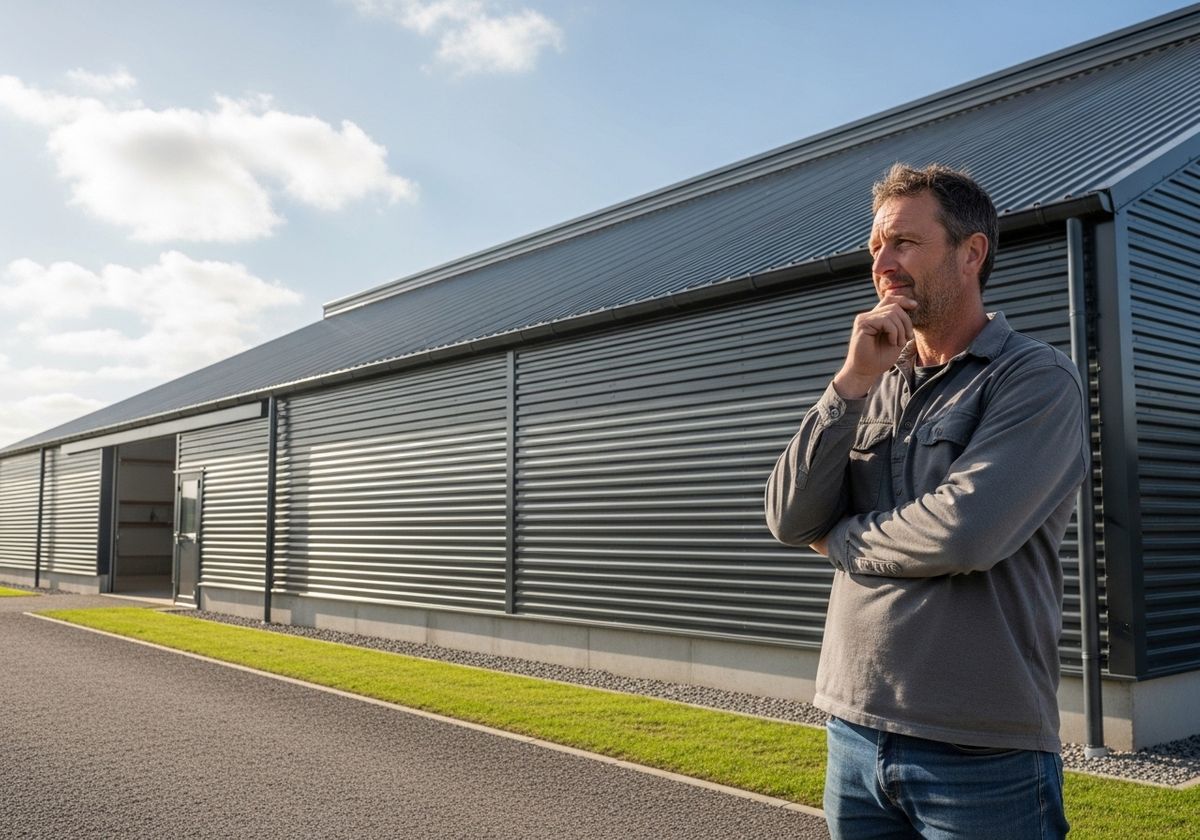
Understand Your Specific Needs
Before diving into material options, take a moment to assess the specific requirements of your agricultural building. Consider factors such as:
Type of Use: Will the building house livestock, store crops, or serve as a machinery shed? Each use case has unique demands.
Environmental Factors: What are the typical weather conditions in your area? High winds, heavy snow, and intense sun can all impact material durability.
Budget: Establish a realistic budget that balances upfront costs with long-term maintenance expenses.
Key Material Considerations
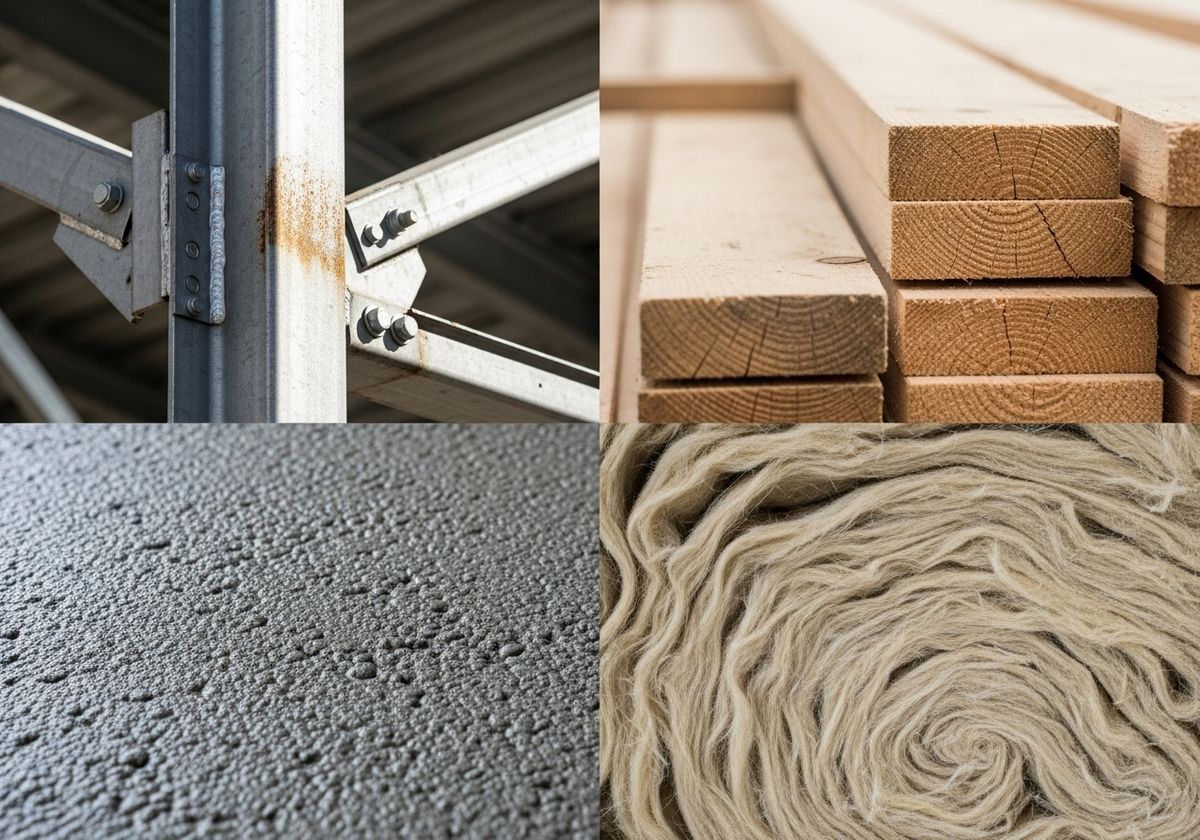
Steel: Steel is a popular choice for agricultural buildings due to its strength, durability, and resistance to pests and fire. It's ideal for post frame building construction and can withstand harsh weather conditions. Steel buildings are also relatively low maintenance.
Wood: Wood is a traditional material that offers natural insulation and a warm aesthetic. It's suitable for various applications, but requires regular maintenance to prevent rot and pest infestation. Consider treated lumber for enhanced durability.
Concrete: Concrete is exceptionally strong and durable, making it ideal for foundations and flooring. It can withstand heavy loads and provides a stable base for agricultural buildings.
Insulation: Proper insulation is crucial for maintaining a comfortable environment inside your ag building. Options include fiberglass, spray foam, and rigid board insulation. Choose an option that offers the appropriate R-value for your climate.
Evaluate Material Durability and Maintenance
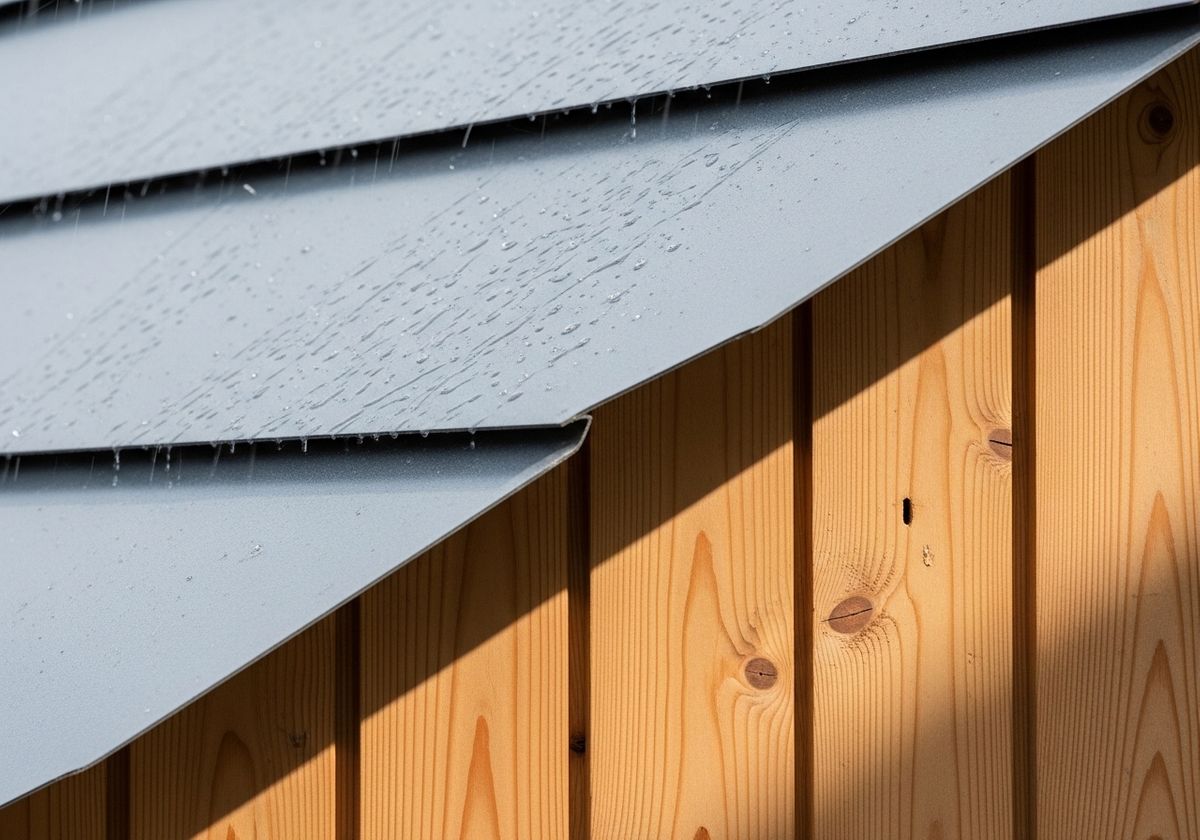
Lifespan: How long do you expect the building to last? Different materials have varying lifespans. Consider the long-term cost-effectiveness of each option.
Maintenance Requirements: Some materials require more upkeep than others. Steel, for example, is relatively low-maintenance, while wood needs regular painting or staining.
Resistance to Pests and Weather: Ensure that the materials you choose can withstand local pests and weather conditions. Consider treatments or coatings to enhance their resistance.
Prioritize Energy Efficiency
Energy-efficient materials can significantly reduce heating and cooling costs. Consider options such as:
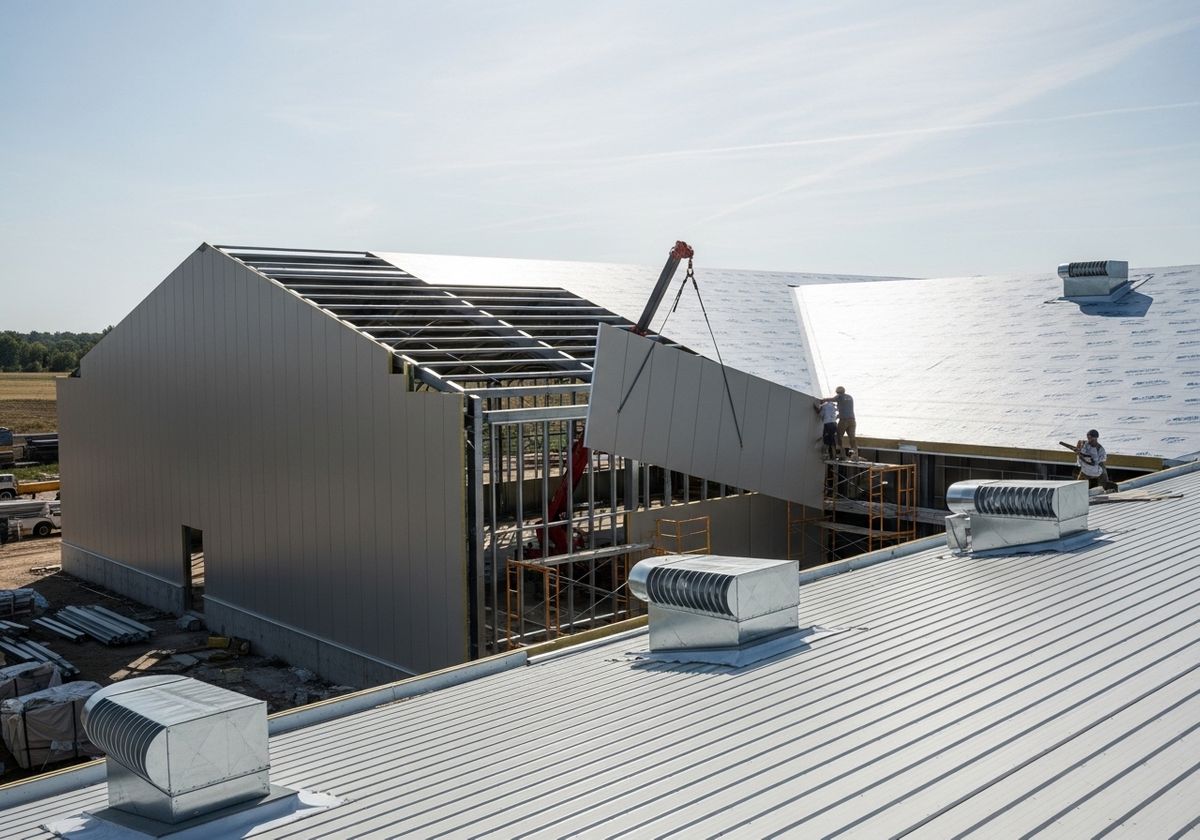
Insulated Panels: Insulated metal panels (IMPs) offer excellent thermal performance and are easy to install.
Cool Roofs: Reflective roofing materials can reduce heat absorption and lower cooling costs.
Proper Ventilation: Adequate ventilation helps regulate temperature and prevent moisture buildup.
Selecting the right materials for your agricultural buildings involves careful consideration of your specific needs, budget, and environmental factors. Prioritize durability, energy efficiency, and ease of maintenance to ensure a long-lasting and cost-effective structure. Thinking about constructing a new machinery shed or other post-frame building? As Northern Colorado construction contractors, NoCo Buildings understands the unique needs of agricultural operations in the region. We're a family-owned, Colorado-based construction business specializing in high-quality, custom post-frame buildings. Contact us today to discuss your project and discover how our quality, custom post-frame buildings can bring your vision to life. You can also see examples of our work on our website, or learn more about our garage door services!